


ELCRA
🌍 Bringing Europe Together for Climate Education: this is what the ELCRA projects is all about.
What does it stand for? ELCRA is the acronym for Environmental Literacy in higher education Context for preventing violent Radicalization in climate Activitsm.
It brings together universities, youth organizations, and students from across Europe, to bring environmetal discussions in all higher education curricula.
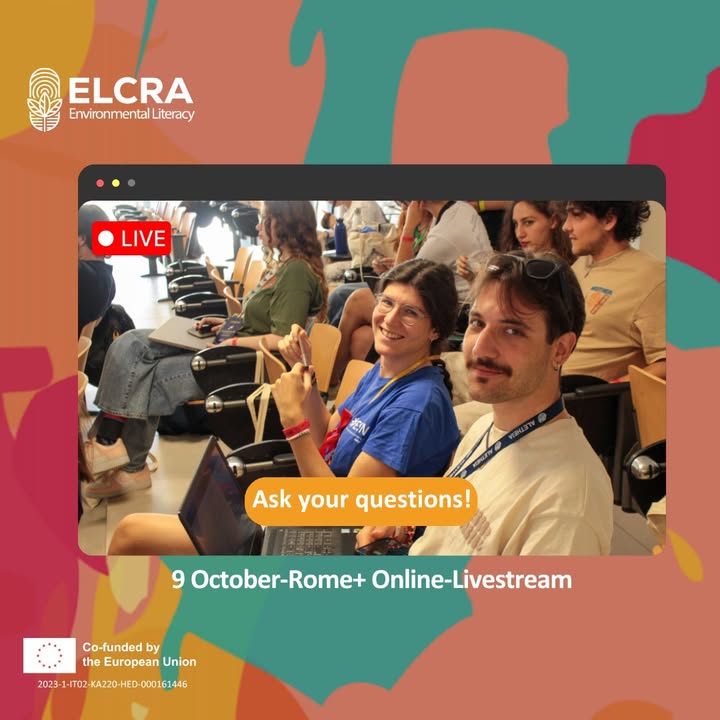
Join us for the final conference of the project on October 9th (15:30 CEST), both in person and online.
📆 Save the Date: October 9th, 2026 | 15:30 CEST
📲 Join the live stream: www.youtube.com/live/EMDUqBSQqfQ
Università di Siena
OpenCom Italy
Universidad Complutense de Madrid
Uniwersytet Jagielloński
Socialinių ir humanitarinių mokslų fakultetas, KU
Instituto Jurídico da Faculdade de Direito da Universidade de Coimbra
Erasmus Student Network Italy - ESN Italia
Erasmus Student Network Portugal - ESN PT
ELCRA
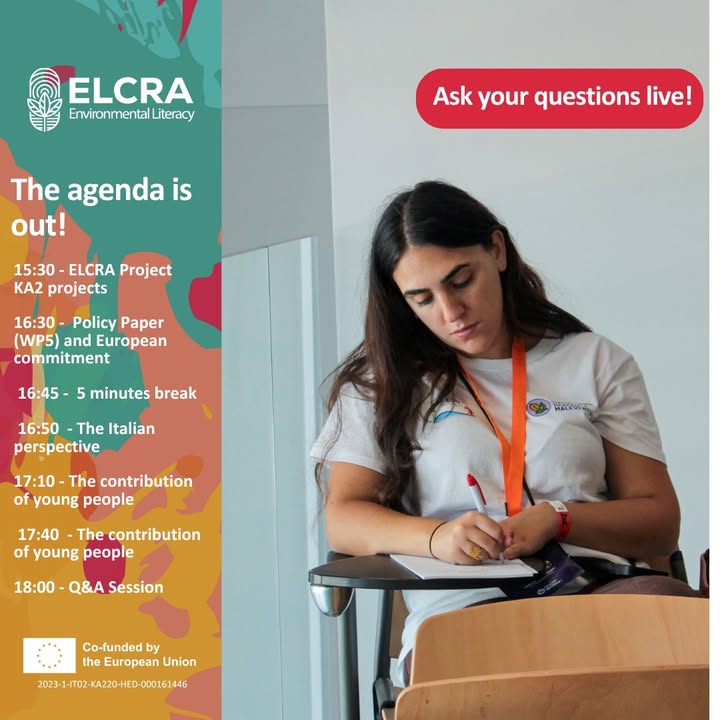
🌐 What to expect for the ELCRA final conference?
Whether you are in Rome, Madrid, Kraków, Coimbra, or Klaipėda, you can be part of the conversation! Tune in live on October 9th:
• 15:30 – 16:30 CEST: ELCRA Project Presentation and importance of KA2 projects on this topic
• 16:30 – 16:45 CEST: Presentation of the ELCRA Policy Paper (WP5) and overview of the European commitment to the topic
• 16:45 – 16:50 CEST: 5-minute break
• 16:50 – 17:10 CEST: The Italian perspective on the topic
• 17:10 – 17:40 CEST: The contribution of young people
• 17:40 – 18:10 CEST: Q&A and Closing Remarks
📲 Save the streaming link: www.youtube.com/live/EMDUqBSQqfQ
#ELCRA #ErasmusPlus #PolicyPaper #ClimateAction #LiveStream #YouthEmpowerment #OnlineEvent
Università di Siena
OpenCom Italy
Universidad Complutense de Madrid
Uniwersytet Jagielloński
Socialinių ir humanitarinių mokslų fakultetas, KU
Instituto Jurídico da Faculdade de Direito da Universidade de Coimbra
Erasmus Student Network Italy - ESN Italia
Erasmus Student Network Portugal - ESN PT
ELCRA
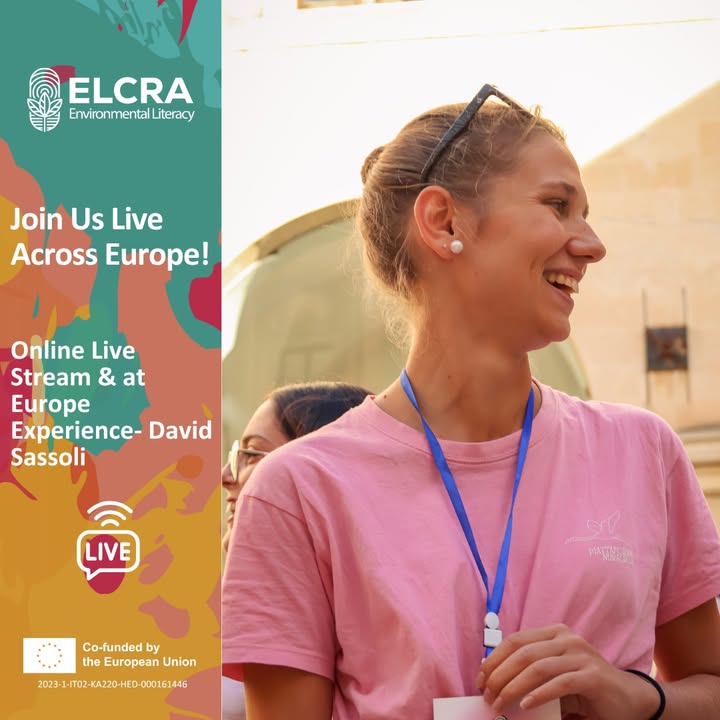
🇪🇺 SAVE THE DATE: The ELCRA Final Conference is happening on October 9th, in Rome!
Cultivating the Future: Environmental Literacy and Inclusive Youth Engagement 🌱
📅 When: October 9th, 2026 | 🕒 15:30 – 18:15 CEST
📍 Online Live Stream & In-person at Europa Experience - David Sassoli (Rome)
Follow us live from anywhere in Europe as we present ELCRA's key results, policy recommendations, and student initiatives, together with project partners and key stakeholders.
📲 Tune in online! Join the live stream: [LINK IN BIO] www.youtube.com/live/EMDUqBSQqfQ
#ELCRA #ErasmusPlus #LiveStream #EnvironmentalLiteracy #ClimateAction #HigherEducation #OnlineConference
Università di Siena
OpenCom Italy
Universidad Complutense de Madrid
Uniwersytet Jagielloński
Socialinių ir humanitarinių mokslų fakultetas, KU
Instituto Jurídico da Faculdade de Direito da Universidade de Coimbra
Erasmus Student Network Italy - ESN Italia
Erasmus Student Network Portugal - ESN PT
ELCRA
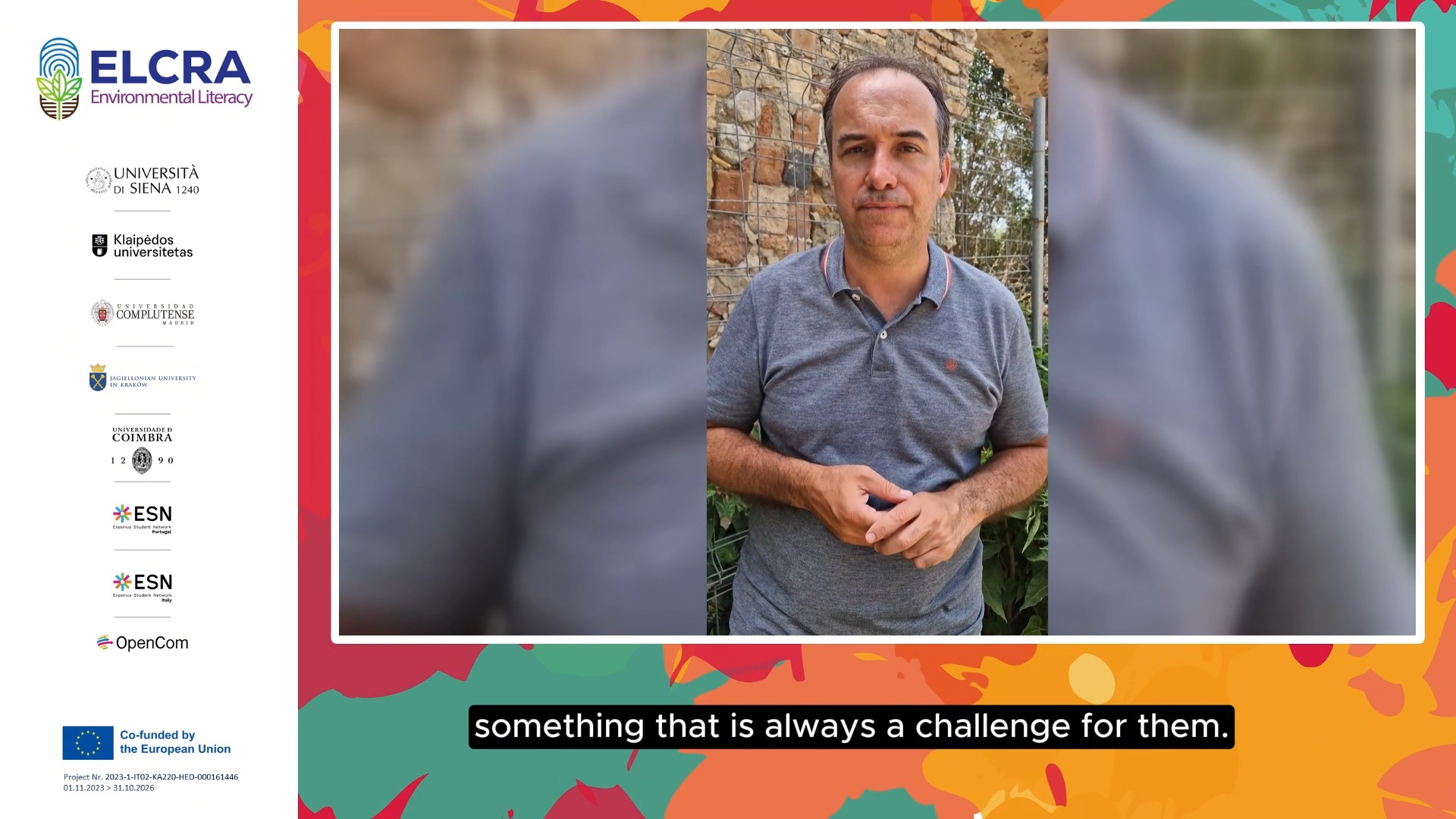
Behind five COIL courses in five different countries lies a piece of coordination that usually goes unseen. In this second interview, Professor David Varona Aramburu of the Complutense University of Madrid explains how ELCRA's COILs were organised. 🎥
A COIL, Collaborative Online International Learning, is the format ELCRA uses to have students from different European universities collaborate online. The training design was led by the project's Spanish research team at the Complutense University of Madrid: structure, duration, student numbers, timelines and content. 📋
It began with a shared opening session, with students and staff from every university involved, to define the aims and structure of the work. From there, the groups collaborated remotely. 🌍
The biggest hurdle? Language: it slowed the early sessions, then was gradually overcome. For most students the experience proved very positive, above all the chance to work with peers from other countries. 🤝
The most telling result is about people: it brought to the fore students with deep commitment, solid knowledge and real communication skills. These are the opinion leaders carrying the ELCRA message further. 🌱
ELCRA is an Erasmus+ project coordinated by the University of Siena to promote environmental literacy in universities and prevent radicalisation in climate activism.
🔗 www.elcraproject.eu
#ELCRA #ErasmusPlus #COIL #EnvironmentalLiteracy🇪🇺 Co-funded by the European Union
Università di Siena
OpenCom Italy
Universidad Complutense de Madrid
Uniwersytet Jagielloński
Socialinių ir humanitarinių mokslų fakultetas, KU
Instituto Jurídico da Faculdade de Direito da Universidade de Coimbra
Erasmus Student Network Italy - ESN Italia
Erasmus Student Network Portugal - ESN PT